
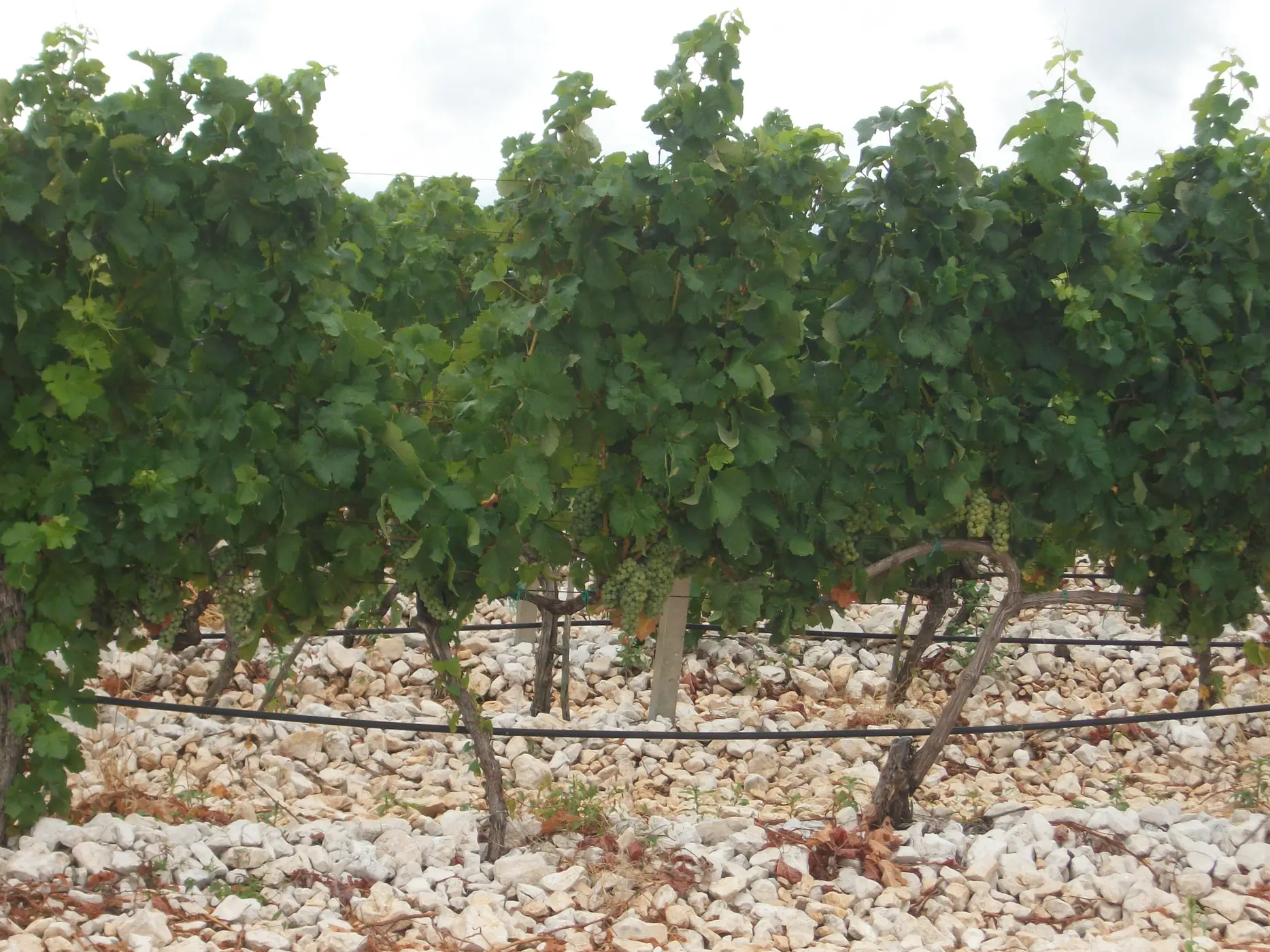
Mostar is better known for the Old Bridge than for wine, but it sits beside one of the Balkans’ most distinctive wine-growing areas. South and west of the city, vineyards appear between dry-stone walls, fig trees, pomegranates and bare limestone.
The names to remember are Žilavka, the region’s best-known white grape, and Blatina, its signature red. The official Herzegovina Wine Route connects producers around Mostar, Čitluk, Ljubuški, Čapljina, Stolac and Trebinje.
Choose your pace
Three practical ways to taste Herzegovina wine
A tasting room in Mostar
The easiest option for one free evening. You can compare several producers, walk back to your accommodation and get a useful introduction in 60–90 minutes.
An independent winery visit
Family cellars are generally 30–45 minutes from Mostar. Contact the producer first: many are working wineries rather than attractions with continuous opening hours. Confirm the number of wines, food, language, payment method and duration.
A private wine tour
Pickup, transport and the winery appointment are handled for you, so nobody in the group needs to drive after tasting. Natura Tours’ private Herzegovina wine tour focuses on one hosted visit rather than rushing between cellars.
What is in the glass
Žilavka, Blatina and other local grapes
Žilavka is a white grape shaped by hot summers and rocky ground. Depending on the producer, it can be fresh and citrus-led or broader after time on lees, in wood or amphora. Expect combinations of yellow apple, herbs, stone, almond and a gently bitter finish.
Blatina is the red variety most closely tied to Herzegovina. Styles range from bright and fruit-driven to fuller wines matured in oak, with dark cherry, plum, herbs and spice.
Trnjak and Vranac also appear frequently. Do not worry about memorising tasting language—the best question is often where the grapes grow and what the winemaker serves with the bottle at home.
At the table
What food comes with a tasting?
A light tasting may include bread, cheese, cured meat, olives and Herzegovinian olive oil. Longer visits sometimes add a full lunch. Žilavka works naturally with trout, young cheese, chicken and vegetables; Blatina suits grilled meat, veal, lamb, slow-cooked dishes and hard cheese.
Tell the winery in advance about vegetarian food, pork avoidance or allergies. Small producers prepare for the expected group and may not be able to create several alternative plates after arrival.
Useful details
How much time should you allow?
Allow 60–90 minutes for a city tasting. For a winery outside Mostar, reserve at least three to four hours including transport. Wear comfortable shoes if the visit includes vineyards or an uneven cellar, carry water in summer and bring a light layer because the cellar can be much cooler.
Avoid strong perfume before tasting. There is no obligation to buy wine, but a bottle purchased directly from a family cellar is a specific souvenir. Check airline baggage rules and your destination’s alcohol allowance before flying.
A half-day beyond Mostar
Can you combine wine with Kravica or Međugorje?
Kravica and the wine-growing area around Ljubuški fit naturally into one private day. Visit the waterfall first for walking, photographs or swimming, then slow the pace at the winery. See the Kravica Waterfalls and winery experience.
Međugorje can also be combined respectfully: visit St James Church and the central prayer area first, then have lunch and a tasting later. Apparition Hill or Cross Mountain requires extra time and suitable footwear; our Mostar to Međugorje guide explains the practical choices.
Quick answers
Before you go
Do I need to know about wine?
No. A good local tasting works for curious beginners and experienced drinkers, and simple questions about the vineyard and local food are welcome.
Can I visit a winery without a car?
Yes, with a pre-arranged taxi or private tour. Many family wineries need an appointment and public transport is rarely convenient.
How long does a Mostar wine tour take?
A city tasting can take 60–90 minutes; allow at least three to four hours for transport and one winery outside Mostar.